Makalu Base Camp to Everest Base Camp via Sherpani Col – 25 Days
-
Makalu-Barun National Park to Sagarmatha National Park, Nepal -
25 Days
Popular Searches
Press ESC to close
One of the most extreme, remote, and technically demanding expeditions in the Himalayas. Cross three immense glaciated passes: Sherpani Col (6,135m), West Col (6,143m), and Amphu Labtsa (5,845m) on this ultimate traverse from Makalu to Everest.
The Sherpani Col traverse is one of the most extreme, remote, and technically demanding expeditions in the Himalayas, bridging the wild Makalu-Barun valley with the iconic Everest (Khumbu) region. Over 25 days, you will transition from sweaty, sub-tropical jungle trekking into the realm of true high-altitude mountaineering. After reaching Makalu Base Camp, you will leave all traces of civilization behind to navigate the treacherous Barun Glacier. The crux of your survival and success relies on crossing three immense, glaciated passes: Sherpani Col (6,135m), West Col (6,143m), and Amphu Labtsa (5,845m). This requires fixed ropes, crampons, and ice axes. Surviving the sheer vertical drops and the complete isolation of the upper Hongu basin, you will eventually descend into the teahouse luxury of the Khumbu Valley, having completed the ultimate Himalayan traverse.
Your extreme expedition begins as you touch down in Kathmandu. Upon clearing customs, you will be transferred to your hotel. Your evening is dedicated to a critical, comprehensive expedition briefing with your lead climbing Sherpa, where you will undergo a rigorous check of your technical mountaineering hardware and sub-zero survival gear before finalizing your complex permits.
You will catch a scenic morning domestic flight to the sweltering lowlands of Tumlingtar. From the airstrip, you will immediately board local transport for a winding drive up the hills, leaving the intense heat behind. You will settle into the bustling market town of Khandbari (~1,200m) for your first night in the east.
Prepare for a massive, 8-to-10-hour combined travel and trekking day. You will take a bumpy, rugged drive to the ridge-top village of Num. Here, your foot journey officially begins. You will endure a steep, punishing descent down to the raging Arun River, cross a suspension bridge, and immediately tackle a grueling, sweat-drenched climb up the opposite side of the gorge to reach the village of Seduwa (~1,500m).
Today involves a steady, 5-to-6-hour trek through idyllic agricultural landscapes. You will hike alongside terraced hillsides, passing through small Sherpa and Rai settlements. The air is warm and rich with oxygen as you make your way to Tashigaon, the very last permanent settlement in the valley before you enter the true wilderness.
Your physical limits will be tested today as you face a relentless, vertical ascent. The trail climbs sharply through dense, humid cloud forests of rhododendron and oak. As you cross the 3,000m mark, the dense jungle gives way to cooler alpine scrub. You will arrive at the remote ridge-top outpost of Khongma Danda, where the air is noticeably thinner.
Today is a mandatory rest day to allow your body to adapt to the sudden gain in elevation. Adhering to the rule of "climb high, sleep low," you will take a short acclimatization hike up the surrounding ridges. This vital active rest prepares your lungs and legs for the high passes ahead.
You have reached the first major hurdle of the expedition. You will endure a spectacular but exhausting day, conquering a continuous series of high-altitude passes: Tutu La, Shipton La (4,210m), and Keke La. Navigating ancient stone staircases and likely encountering snow, you will be rewarded with mind-bending views before a steep descent drops you into the deep, forested valley of Dobate.
Your trek today drops deeper into the gorge, following the raging Barun River. You will hike through a primordial, moss-draped forest. As the valley begins to widen and flatten out, you will arrive at the open, picturesque summer pastures of Yangle Kharka, completely surrounded by towering, sheer granite cliffs.
Walking through the magnificent, u-shaped Barun Valley, you will officially leave the tree line behind. The landscape transforms into a harsh, high-alpine desert. You will trek past roaring waterfalls and isolated herders' huts, gradually gaining altitude until you reach the stark, wind-battered grazing lands of Langmale Kharka.
You will take a critical second acclimatization day here. You will embark on a short day hike further up the valley, gazing at the surrounding 7,000m peaks, before returning to your teahouse to rest, hydrate, and prepare for the final push to Base Camp.
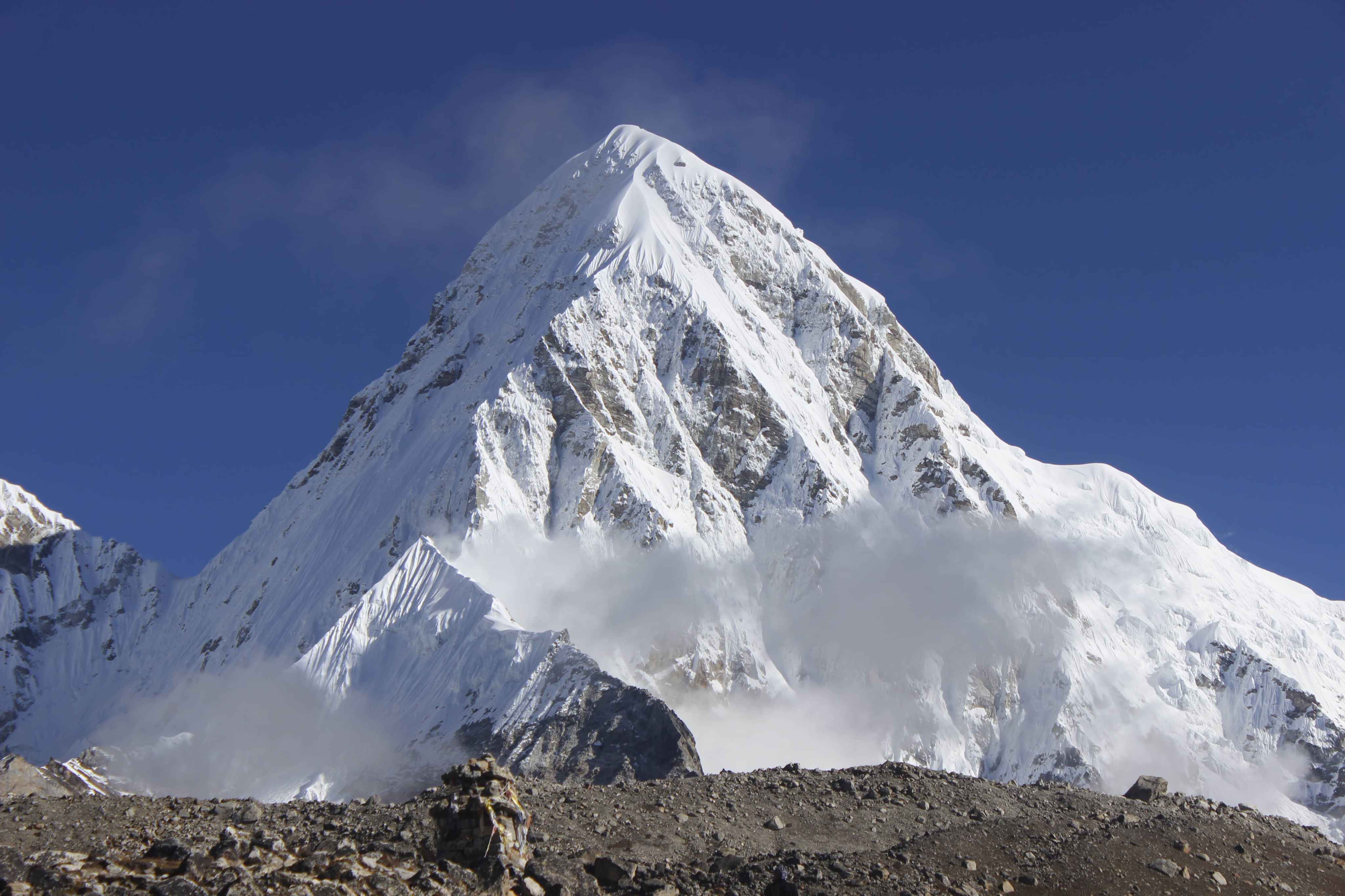
The air is exceptionally thin, making this trek deeply fatiguing. Your route traverses rocky moraines and stark alpine terrain alongside the Barun Glacier. As you arrive at Makalu Base Camp, you will stand directly beneath the colossal, incredibly steep face of Mt. Makalu, feeling impossibly small against the fifth-highest mountain on Earth.
You have a full day dedicated to exploring the glaciated wonders of Base Camp. You will hike up to the surrounding ridges for an unparalleled, close-up panorama of the Makalu massif, Everest's Kangshung face, and Lhotse. More importantly, this day ensures your body is perfectly acclimatized before entering the "death zone" altitudes of the Three Cols.
The teahouses end here; from this point, you are on a fully supported mountaineering expedition. You will trek higher up the Barun Glacier, navigating shifting ice, massive boulders, and icy glacial melt pools. The terrain is utterly desolate and hostile. You will arrive at Advanced Base Camp, setting up your tents on the rocky moraine.
You will push deeper into the icy heart of the high Himalayas today. The hike involves careful route-finding across the heavily crevassed upper Barun Glacier. You are now surrounded entirely by sheer walls of ice and rock. You will set up camp at the base of Mt. Baruntse, feeling the profound isolation of being days away from any human settlement.
This is a critical operational day. While acclimatizing to the extreme altitude, your climbing Sherpas will establish a training ground on a nearby ice wall. You will practice essential life-saving skills: clipping into fixed ropes, using your jumar (ascender) on vertical ice, abseiling with your descender (figure-8/ATC), and crevasse rescue techniques.
You will leave the main glacier, initiating a steep, lung-busting climb up the rocky, snow-covered flanks leading toward the pass. Every step above 5,500m is a massive physical effort. You will establish High Camp on an exposed, freezing ledge of ice and rock, trying to sleep while your Sherpa team fixes the ropes for tomorrow's vertical ascent.
The absolute crux of the expedition. You will start climbing hours before dawn. Using your jumar, you will pull yourself up near-vertical headwalls of solid ice to reach the knife-edge ridge of Sherpani Col. The altitude is suffocating, and the exposure is terrifying. After reaching the summit, you will execute a sheer, vertical rappel down to the Barun Glacier plateau, crossing a heavily crevassed basin to establish your camp near the base of West Col.
Your ordeal is far from over. Today, you will conquer the second massive hurdle: West Col. You will haul yourself up the fixed lines to the 6,143m summit. The descent drops you into the utterly isolated, lunar-like Hongu Valley. You will trek across this desolate, frozen basin, passing beneath the towering pyramid of Ama Dablam in the distance, to set up camp at the foot of your final obstacle.
Your final technical barrier stands between you and civilization. Amphu Labtsa is notoriously steep and prone to icefall. You will ascend via fixed ropes through complex seracs and crevasses. Reaching the narrow summit, you will look down into the famous Khumbu (Everest) region. You will execute a long, multi-pitch rappel down the treacherous ice walls, finally walking off the glacier and arriving at the teahouses of Chhukung, overwhelmed by the sudden return of comfort and thicker air.
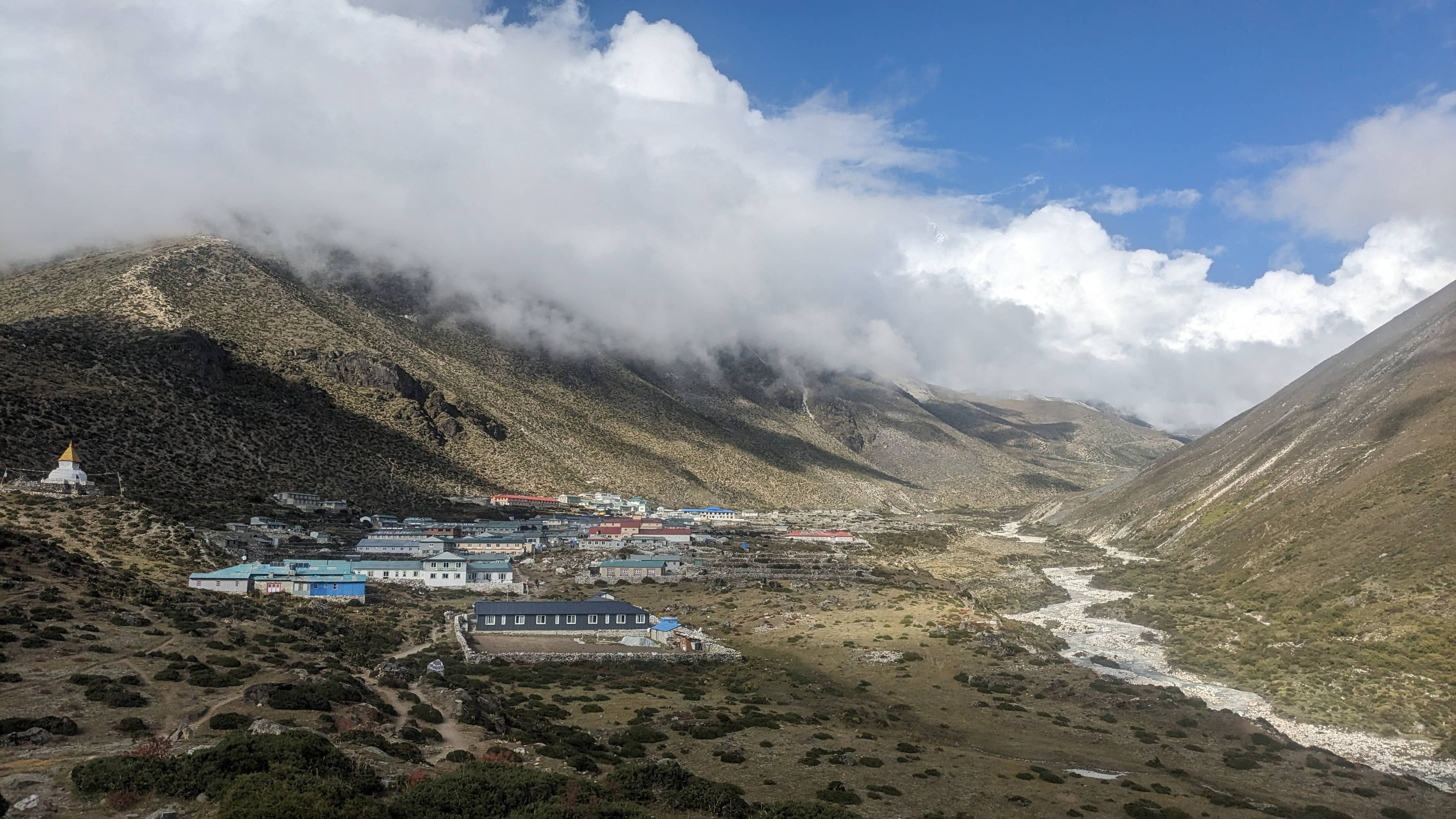
After the extreme hostility of the high cols, today's trek feels like a leisurely stroll. You will descend the Imja Valley, walking alongside the roaring river. The return of green vegetation and the significantly thicker air provides a massive surge of energy. You will arrive in the sprawling stone-walled village of Dingboche to enjoy a warm dining room and a hot meal.
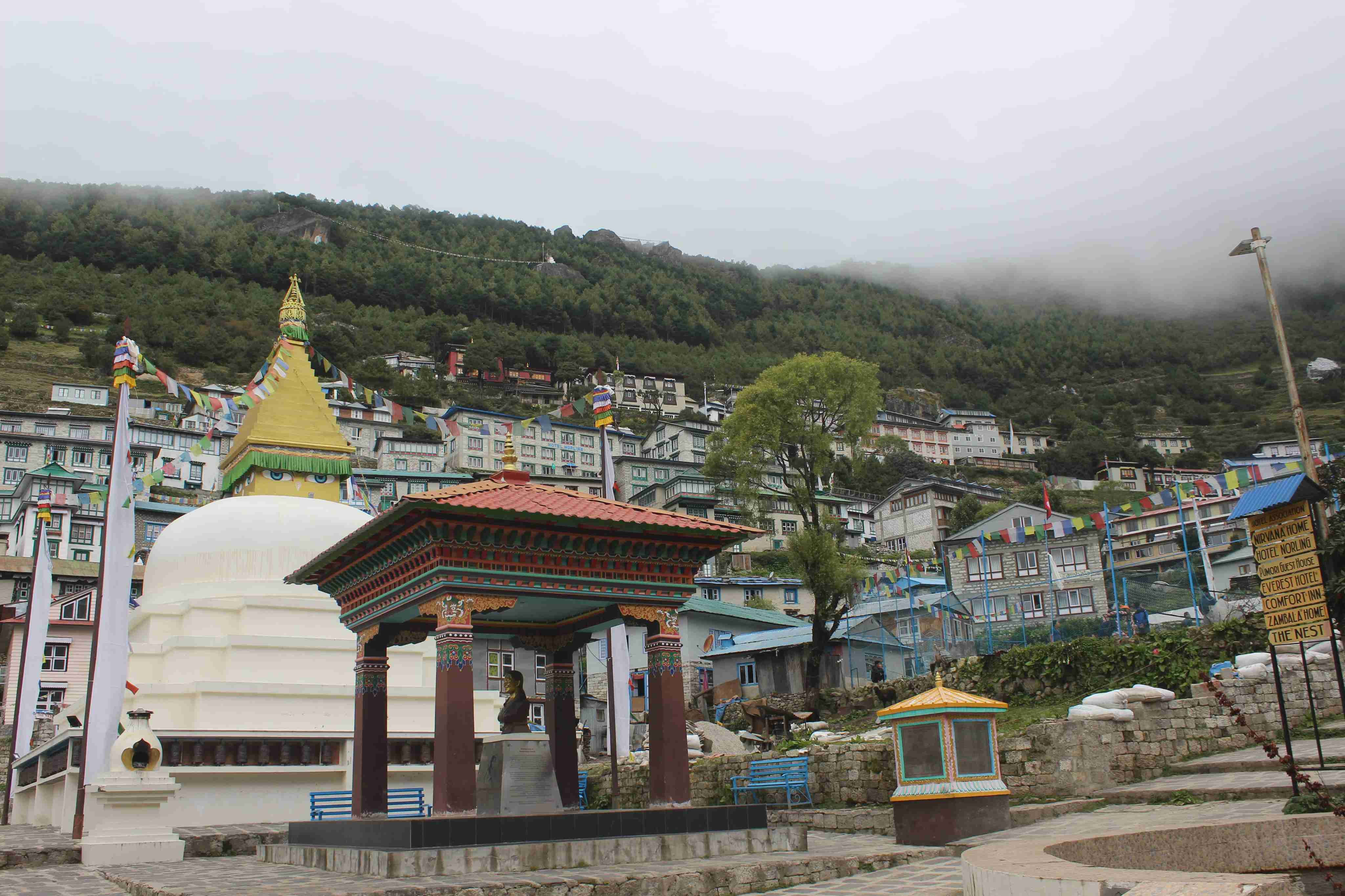
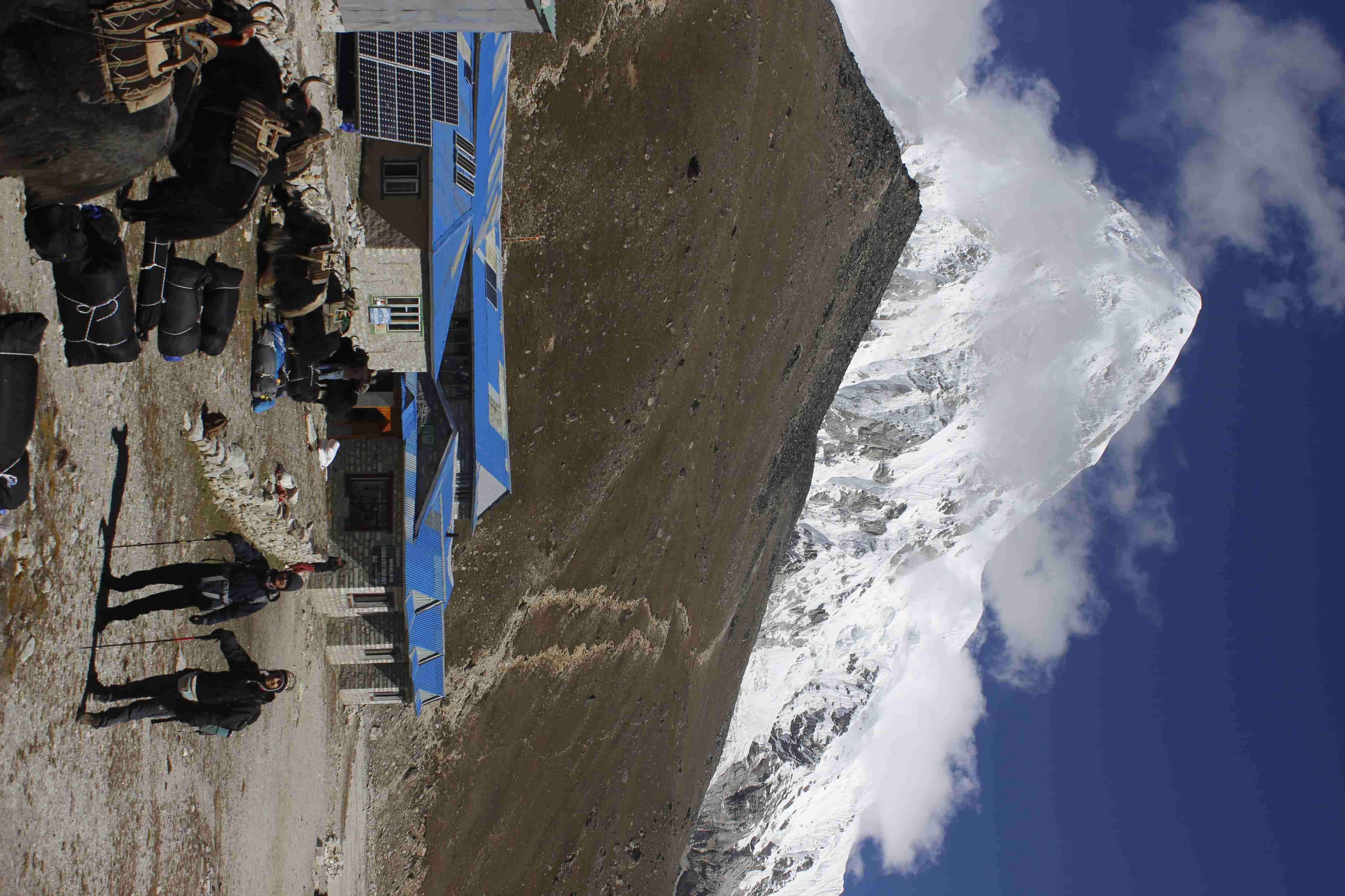
You will join the main Everest Base Camp trail today, descending rapidly. You will drop down to the Dudh Kosi river, climb back up to the iconic Tengboche Monastery to receive a blessing, and then undertake the long, undulating walk around the valley walls until you reach the bustling, vibrant Sherpa capital of Namche Bazaar.
Your final day on the trail. You will plunge down the steep Namche hill, cross the soaring Hillary Suspension Bridge, and wind your way through the lush pine forests of the lower Khumbu. With the technical terrors behind you, you will make the final, triumphant climb up to the Lukla airstrip, celebrating the end of an elite expedition with your Sherpa team.
You will board a tiny Twin Otter aircraft for the thrilling, 35-minute flight off the side of the mountain. Leaving the Himalayas behind, you will touch down in Kathmandu. The overwhelming sensory experience of the city will hit you as you transfer to your hotel for your first real shower in over three weeks.
This is your vital built-in safety net. It is heavily relied upon in extreme expeditions to account for severe weather delays on the Three Cols or flight cancellations out of Lukla. Because your expedition was a success, you now get to enjoy a full rest day in Kathmandu to recover, swap stories, and enjoy a massive farewell dinner.
Your epic 25-day mountaineering journey comes to an end. Depending on your flight schedule, you will be transferred to Tribhuvan International Airport for your onward journey, heading home as one of the elite few to have successfully traversed the Three Cols.
Note: Mandatory technical skills required
Map not available
Every Journey Is Carefully Crafted To Bring Your Travel Dreams To Life.
Popular Searches
Tap backdrop or drag down to close